Tại sao 65% các xưởng mộc nhỏ sử dụng máy phay CNC?
Các xưởng mộc nhỏ đã nhanh chóng áp dụng máy phay CNC vì những máy này giúp giảm đáng kể thời gian sản xuất, loại bỏ lỗi thủ công và cho phép thiết kế những sản phẩm phức tạp mà trước đây không thể thực hiện được với các công cụ truyền thống. Công nghệ CNC đã chuyển từ một khoản đầu tư xa xỉ thành lợi thế cạnh tranh thiết yếu cho các xưởng hiện đại.
Cuộc cách mạng tự động hóa trong ngành chế biến gỗ quy mô nhỏ
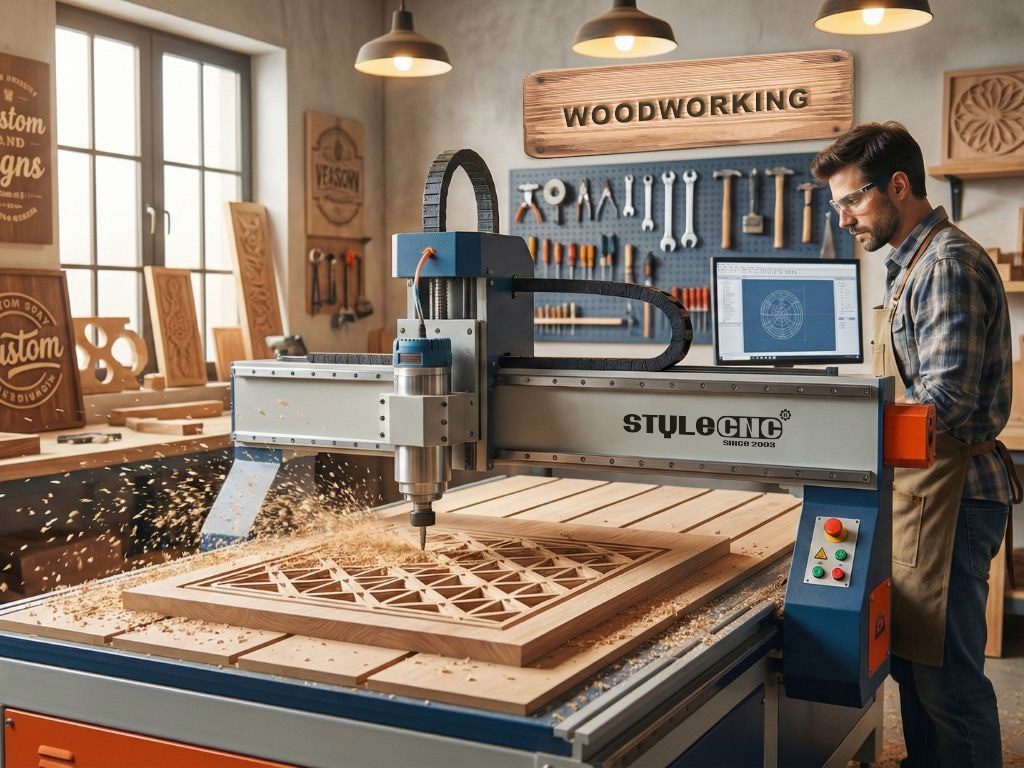
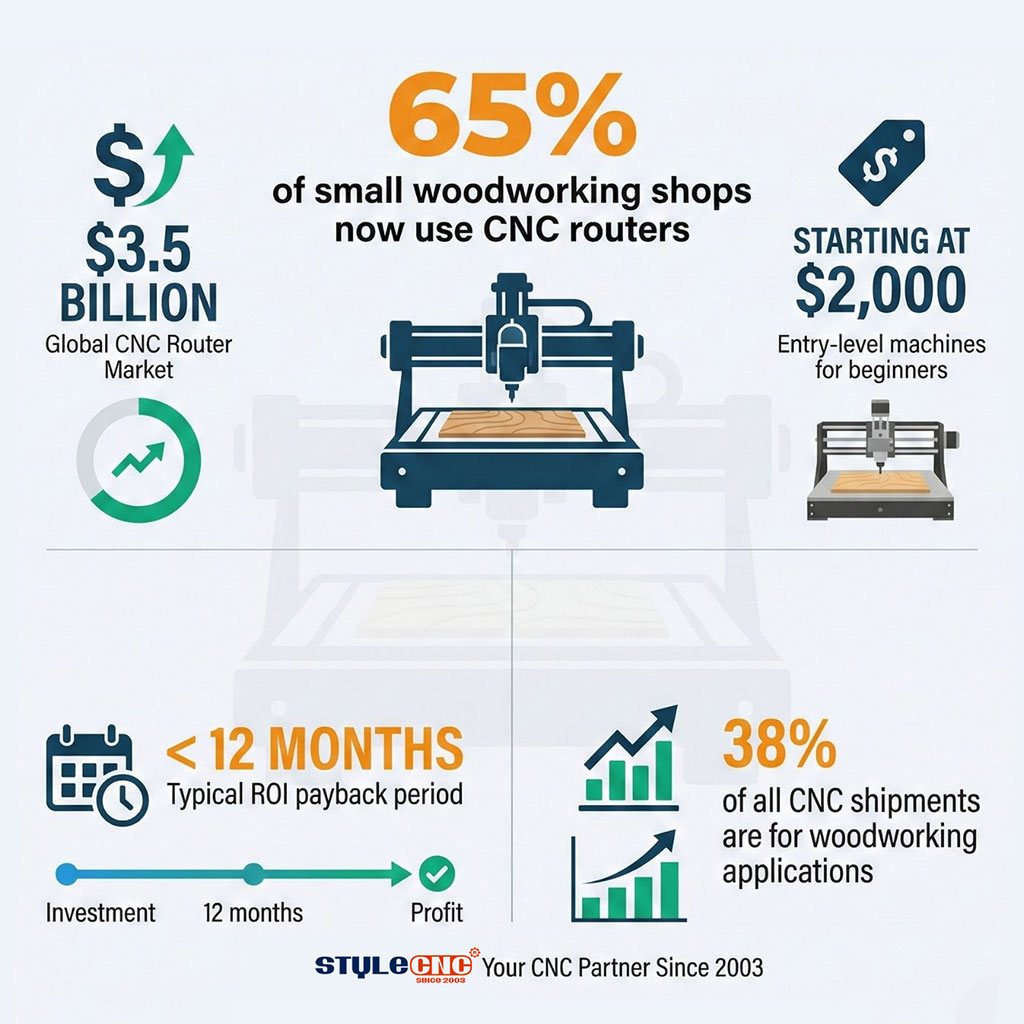
Ngành công nghiệp chế biến gỗ đang trải qua một sự chuyển đổi cơ bản. Phân tích thị trường cho thấy khoảng 65% các xưởng chế biến gỗ nhỏ sử dụng máy phay CNC, đánh dấu một sự thay đổi mạnh mẽ từ các quy trình thủ công sang sản xuất chính xác được điều khiển bằng máy tính.
Thị trường máy phay CNC toàn cầu, có giá trị ở mức... $3Thị trường này, với doanh số 5 tỷ USD, tiếp tục mở rộng ổn định. Các ứng dụng trong chế biến gỗ chiếm 38% tổng số lượng máy Bộ định tuyến CNC được xuất xưởng trên toàn cầu, với hơn 2,500 máy router được triển khai riêng cho các ứng dụng chế biến gỗ và biển hiệu chỉ riêng ở Bắc Mỹ.
3 yếu tố thúc đẩy việc áp dụng
Giảm chi phí thiết bị: Các máy cơ bản hiện có giá khởi điểm từ... $2, 000- 6,000 đô la
Phần mềm thân thiện với người dùng: Các phần mềm CAD/CAM hiện đại có giao diện trực quan.
Nhu cầu sản phẩm tùy chỉnh: Người tiêu dùng ngày càng ưa chuộng những mặt hàng được cá nhân hóa và chế tác tỉ mỉ.
Vì sao các cửa hàng nhỏ đang đầu tư vào công nghệ CNC?
Độ chính xác mà các phương pháp thủ công không thể sánh kịp
Người tiêu dùng hiện đại mong muốn sự chính xác và cá nhân hóa. Kỹ thuật chạm khắc thủ công truyền thống không thể duy trì độ chính xác dưới 0°C.1mm Tính lặp lại mà máy CNC mang lại một cách nhất quán trên hàng trăm hoặc hàng nghìn chi tiết giống hệt nhau.
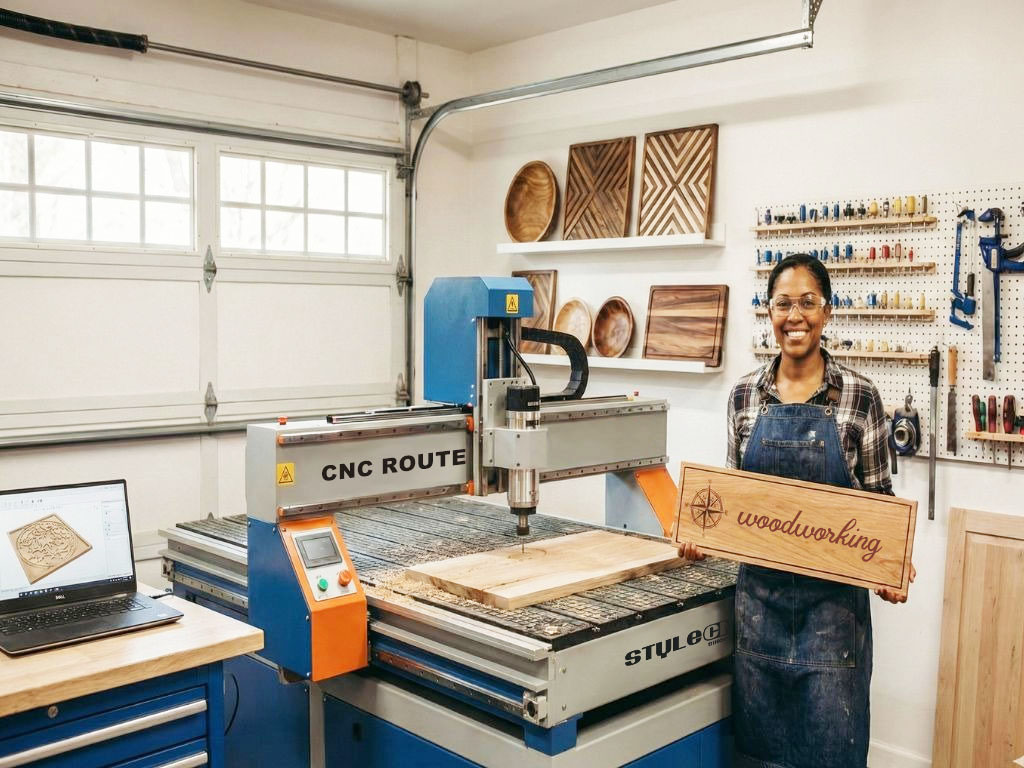
Khi khách hàng đặt làm tủ bếp theo yêu cầu với các mối nối phức tạp hoặc đồ nội thất có hoa văn hình học phức tạp, Bộ định tuyến gỗ CNC Thực hiện các thiết kế này với độ chính xác tuyệt đối mọi lúc.
Thuận lợi kinh tế
Một máy phay CNC tầm trung kích thước 4×8 feet có giá từ... $45,000 và $80,000. Tuy nhiên, các cửa hàng liên tục báo cáo rằng một người vận hành có thể hoàn thành công việc mà nếu sử dụng thiết bị truyền thống cần đến 3 hoặc 4 người.
Đối với các xưởng sản xuất tủ, phương pháp sản xuất lồng ghép giúp giảm đáng kể chi phí vật liệu đồng thời rút ngắn đáng kể thời gian sản xuất. Sự kết hợp này tạo ra lợi nhuận đầu tư nhanh chóng.
Thị trường người mới bắt đầu chưa được khai thác
Mặc dù 65% các xưởng mộc nhỏ lâu đời đã áp dụng công nghệ CNC, thị trường dành cho người mới bắt đầu và người làm mộc theo sở thích vẫn chưa được phục vụ đầy đủ. Điều này tạo ra một cơ hội khổng lồ.
Rào cản gia nhập thị trường đang biến mất.
| Phạm vi giá | Loại máy | tốt nhất cho | Khu vực làm việc |
|---|---|---|---|
| $ 2,000- $ 6,000 | Máy tính để bàn/Sở thích | Dành cho người mới bắt đầu, các dự án nhỏ | Từ 12"×12" đến 24"×24" |
| $ 6,000- $ 15,000 | Chuyên gia mới vào nghề | Công việc bán thời gian | Từ 24"×48" đến 48"×48" |
| $ 15,000- $ 35,000 | Chuyên nghiệp tầm trung | Kinh doanh toàn thời gian | 48"×96" (4'×8') |
| $ 50,000 + | công nghiệp | Sản xuất số lượng lớn | 60"×120" và lớn hơn |
hiện đại máy định tuyến CNC sở thích Chúng có thể gia công nhiều loại vật liệu, từ gỗ mềm và nhựa đến các loại gỗ cứng hơn và thậm chí cả kim loại nhẹ. Chúng chiếm rất ít diện tích sàn, thường vừa vặn trên bàn làm việc, rất tiện dụng cho các xưởng gia đình.
Quá trình học hỏi có thể vượt qua được.
Người dùng tiềm năng thường đánh giá quá cao độ khó của việc vận hành máy CNC. Quá trình này được chia thành 4 giai đoạn dễ quản lý:
1. Giai đoạn thiết kế: Tạo hoặc nhập 2D/3D Thiết kế bằng phần mềm CAD.
2. Tạo đường chạy dao: Phần mềm CAM chuyển đổi thiết kế thành lệnh máy.
3. Sự vận hành của máy: Lắp đặt vật liệu, tải chương trình, thiết lập điểm gốc.
4. Kết thúc: Chà nhám, lắp ráp và sơn phủ (các bước quen thuộc trong nghề mộc).
Người dùng có kinh nghiệm thường xuyên báo cáo rằng họ đạt được trình độ cơ bản nhờ luyện tập thường xuyên. Các kỹ thuật nâng cao như Định tuyến CNC 4 trục Những dự án này đòi hỏi nhiều chuyên môn hơn, nhưng người mới bắt đầu vẫn có thể tạo ra lợi nhuận trước khi thành thạo các kỹ năng nâng cao.
Ứng dụng sinh lời cao dành cho người mới bắt đầu
Các thị trường dễ tiếp cận nhất
Bảng hiệu tùy chỉnh: Chi phí nguyên vật liệu vẫn ở mức thấp trong khi tiềm năng lợi nhuận vẫn cao. Các doanh nghiệp, hộ gia đình và sự kiện liên tục cần những biển hiệu gỗ được thiết kế riêng.
Thành phần đồ nội thất: Các xưởng gia công CNC nhỏ sản xuất chân bàn, tấm ván, các chi tiết trang trí và các bộ phận ghép nối cho những người thợ mộc truyền thống không có thiết bị CNC.
Sản xuất tủ:Hệ thống sản xuất đồ nội thất Có thể hoàn thành toàn bộ đơn đặt hàng tủ với sự can thiệp thủ công tối thiểu.
Cơ hội kinh doanh ngách sinh lời
• Sản xuất cúp và giải thưởng: Nguồn doanh thu ổn định với mức độ cạnh tranh tối thiểu.
• Công trình kiến trúc: Các loại phào chỉ và tấm trang trí được thiết kế riêng thường có giá cao.
• Tạo mẫu sản phẩm: Thời gian hoàn thành nhanh chóng cho các nhà phát minh và các nhà sản xuất nhỏ.
Những tiến bộ công nghệ mang lại lợi ích cho người mới bắt đầu
Bộ thay đổi công cụ tự động (ATC)
Việc thay dao thủ công tiêu tốn đáng kể thời gian sản xuất và đòi hỏi người vận hành phải liên tục giám sát. Điều này hạn chế khả năng sử dụng máy móc cho các dự án đơn giản hơn, chỉ sử dụng một hoặc hai dao.
Bộ định tuyến CNC ATC Hệ thống thay đổi công cụ hoàn tất tức thì, cho phép thực hiện các dự án phức tạp yêu cầu 8-12 công cụ khác nhau liên tục mà không cần giám sát. Các xưởng báo cáo năng suất tăng đáng kể sau khi nâng cấp lên hệ thống ATC.
Cải tiến phần mềm
Phần mềm CNC hiện đại có các thư viện đường chạy dao được cấu hình sẵn cho các thao tác thông thường. Người mới bắt đầu có thể lựa chọn từ các chiến lược cắt đã được kiểm chứng, tận dụng kiến thức chuyên môn được tích hợp sẵn trong phần mềm.
Các thư viện thiết kế dựa trên điện toán đám mây cung cấp hàng ngàn dự án sẵn sàng để cắt. Người dùng mới có thể bắt đầu sản xuất các sản phẩm có thể bán được ngay lập tức trong khi dần dần học cách tạo ra các thiết kế độc đáo của riêng mình.
Phân tích đầu tư và lợi tức đầu tư
Tổng chi phí khởi nghiệp
| Hạng mục đầu tư | Phạm vi chi phí | Ghi Chú |
|---|---|---|
| Máy Router CNC | $ 2,000- $ 35,000 | Tùy thuộc vào kích thước và khả năng. |
| Phần mềm CAD / CAM | $ 500- $ 3,000 | Giấy phép hoặc đăng ký vĩnh viễn |
| Mũi khoan và dụng cụ phay | $ 500- $ 1,500 | Bộ sưu tập ban đầu |
| Hệ thống thu gom bụi và phụ kiện | $ 1,000- $ 5,000 | Hệ thống hút chân không, thiết bị kẹp phôi |
| Tổng đầu tư ban đầu | $ 4,000- $ 44,500 | Tùy thuộc vào quy mô doanh nghiệp. |
Tiềm năng doanh thu
Các cửa hàng tập trung vào các sản phẩm đặt làm riêng có lợi nhuận cao thường thu hồi vốn đầu tư nhanh hơn so với những cửa hàng theo đuổi sản xuất hàng loạt. Một dự án chạm khắc trang trí đơn lẻ có thể tạo ra lợi nhuận đáng kể. $5Lợi nhuận từ 00 đến 2,000 đô la.
Các cửa hàng với nhiều khả năng khác nhau, kết hợp Gia công gỗ bằng máy CNC Với kỹ thuật ghép nối và hoàn thiện truyền thống, người ta thường xây dựng những doanh nghiệp bền vững hơn. Máy móc trở thành một công cụ trong hệ thống sản xuất toàn diện.
Mở rộng ra ngoài phạm vi gỗ
Nhiều máy phay CNC được tối ưu hóa cho gỗ có thể gia công thành công các vật liệu nhựa, composite và xốp với sự điều chỉnh tối thiểu. Tính linh hoạt này cho phép các xưởng phục vụ nhiều thị trường khác nhau.
Máy CNC kim loại Đây là một lĩnh vực khác đòi hỏi đầu tư đáng kể hơn. Một số nhà thầu đã mở rộng thành công sang lĩnh vực gia công kim loại nhẹ (nhôm, đồng thau) khi kỹ năng của họ phát triển.
Máy khắc đá Một số xưởng mộc còn chuyên sản xuất thêm các loại bia tưởng niệm và các chi tiết đá kiến trúc.
Các yếu tố thành công chiến lược
Nghiên cứu thị trường đầu tiên
Trước khi đầu tư vào thiết bị, hãy nghiên cứu kỹ lưỡng thị trường địa phương và trực tuyến. Xác định các phân khúc thị trường cụ thể chưa được phục vụ thay vì cố gắng cạnh tranh trên diện rộng.
Một cửa hàng chuyên về các sản phẩm tưởng niệm thú cưng theo yêu cầu sẽ phải đối mặt với ít cạnh tranh hơn nhiều so với một cửa hàng bán các loại biển gỗ thông thường.
Hãy phân tích kỹ thị trường mục tiêu của bạn. Mức giá nào phù hợp với khu vực của bạn? Các đối thủ cạnh tranh địa phương thường tránh những loại công việc đặt làm riêng nào? Khách hàng hiện đang tìm mua đồ gỗ đặt làm riêng ở đâu?
Các sàn thương mại điện tử trực tuyến như Etsy cung cấp thông tin thị trường rất giá trị. Hãy tìm kiếm các sản phẩm tương tự với sản phẩm bạn dự định sản xuất. Xem xét giá cả, đánh giá của khách hàng và tỷ lệ thành công của người bán. Nghiên cứu này sẽ giúp bạn hiểu rõ nhu cầu thị trường trước khi đầu tư vốn.
Đầu Tư Giáo Dục
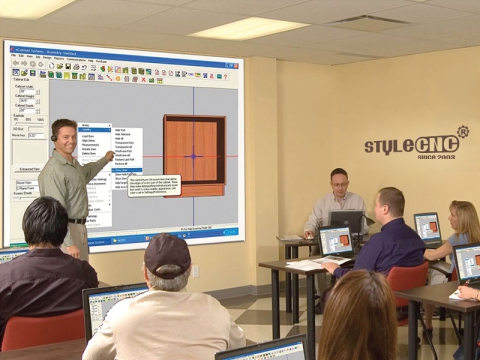
Các khóa học trực tuyến, chương trình cao đẳng cộng đồng và các buổi đào tạo của nhà sản xuất cung cấp nền tảng giúp đẩy nhanh năng suất ban đầu và tránh những sai lầm tốn kém trong giai đoạn đầu.
Nhiều nhà sản xuất cung cấp chương trình đào tạo toàn diện khi mua thiết bị. Hãy tận dụng những chương trình này. Vài ngày đầu tư vào đào tạo bài bản thường giúp bạn tránh được nhiều tuần khắc phục sự cố đầy khó chịu.
Các kênh YouTube và diễn đàn trực tuyến cung cấp kiến thức liên tục. Cộng đồng CNC tích cực chia sẻ kỹ thuật, giải pháp và ý tưởng dự án. Hãy thường xuyên sử dụng các nguồn tài liệu này.
Hãy cân nhắc bắt đầu bằng phần mềm CAD miễn phí để luyện tập kỹ năng thiết kế trước khi mua thiết bị. Cách tiếp cận này giúp bạn xác định xem mình có thích quá trình thiết kế hay không và giúp xác định những khả năng máy móc nào bạn thực sự cần.
Phương pháp tăng trưởng từng bước
Con đường đáng tin cậy nhất là bắt đầu với thiết bị khiêm tốn, phát triển kỹ năng và cơ sở khách hàng, sau đó nâng cấp khi doanh thu đủ để оправдать đầu tư. Cách tiếp cận này giúp giảm thiểu rủi ro tài chính.
Nhiều nhà điều hành thành công đã bắt đầu với máy tính để bàn. $5Họ đã kiểm chứng ý tưởng kinh doanh của mình, sau đó nâng cấp lên thiết bị chuyên nghiệp khi nguồn doanh thu chứng tỏ bền vững.
Bắt đầu làm việc bán thời gian trong khi vẫn duy trì nguồn thu nhập khác. Điều này giúp giảm áp lực phải tạo ra lợi nhuận ngay lập tức, cho phép tập trung vào phát triển kỹ năng và chất lượng công việc để xây dựng uy tín.
Hãy ghi chép lại mọi thứ trong quá trình học tập. Dự án nào mang lại lợi nhuận cao nhất? Khách hàng nào thường xuyên quay lại mua hàng? Kỹ năng nào cần thời gian phát triển lâu nhất? Dữ liệu này sẽ giúp định hướng các quyết định mở rộng và nâng cấp thiết bị.
Các yếu tố thị trường thúc đẩy tăng trưởng
Nền kinh tế tùy chỉnh
Hành vi tiêu dùng đã thay đổi một cách cơ bản. Ngày nay, người mua ngày càng từ chối các sản phẩm sản xuất hàng loạt, giống hệt nhau, thay vào đó ưa chuộng các mặt hàng cá nhân hóa phản ánh phong cách và sở thích riêng.
Xu hướng này tạo ra điều kiện lý tưởng cho các xưởng gia công CNC quy mô nhỏ. Các nhà sản xuất lớn rất giỏi trong việc sản xuất hàng triệu sản phẩm giống hệt nhau nhưng lại gặp khó khăn trong việc sản xuất theo đơn đặt hàng với chi phí hợp lý. Các xưởng nhỏ có thiết bị CNC lấp đầy khoảng trống này một cách hoàn hảo.
Thị trường đồ nội thất đặt làm theo yêu cầu là một ví dụ điển hình cho sự thay đổi này. Khách hàng hiện nay mong muốn có nhiều lựa chọn về kích thước, vật liệu, lớp hoàn thiện và chi tiết thiết kế. Công nghệ CNC giúp việc tùy chỉnh như vậy trở nên khả thi về mặt kinh tế, ngay cả đối với sản xuất từng sản phẩm riêng lẻ.
Giải quyết tình trạng thiếu hụt lao động lành nghề
Ngành công nghiệp chế biến gỗ đang đối mặt với một thách thức nghiêm trọng khi các nghệ nhân giàu kinh nghiệm nghỉ hưu. Các con đường học nghề truyền thống từng đào tạo ra những người thợ mộc lành nghề hầu như đã biến mất.
Công nghệ CNC mang đến một giải pháp. Các mối nối phức tạp, công việc gia công chính xác theo kích thước và chạm khắc tinh xảo không còn đòi hỏi hàng chục năm kinh nghiệm sử dụng dụng cụ thủ công. Phần mềm mã hóa kiến thức chuyên môn này, giúp người vận hành có kỹ năng kỹ thuật cao hơn, chứ không cần có nền tảng nghề mộc truyền thống, đều có thể tiếp cận được.
Các trường cao đẳng cộng đồng và trường dạy nghề đều nhận thức được sự thay đổi này. Lập trình CNC ngày càng xuất hiện nhiều trong chương trình giảng dạy chế biến gỗ, tạo ra một thế hệ thợ vận hành mới thành thạo cả thiết kế kỹ thuật số và gia công vật liệu.
Cân nhắc về Môi trường
Tính bền vững là yếu tố chi phối quyết định mua hàng của nhiều người tiêu dùng và doanh nghiệp. Khắc CNC hỗ trợ các mục tiêu bảo vệ môi trường thông qua hiệu quả sử dụng vật liệu vượt trội.
Các thuật toán sắp xếp tối ưu giúp bố trí các chi tiết trên vật liệu dạng tấm với lượng phế liệu tối thiểu. Một số xưởng báo cáo giảm phế liệu lên đến 20%.30% So với các phương pháp cắt truyền thống, hiệu quả này mang lại lợi ích trực tiếp cho cả môi trường và tiết kiệm chi phí.
Các xưởng sản xuất tiên tiến thường quảng bá khả năng gia công CNC của mình như một lợi thế về môi trường, thu hút những khách hàng có ý thức bảo vệ môi trường sẵn sàng trả giá cao hơn cho các sản phẩm được sản xuất bền vững.
Câu Hỏi Thường Gặp
Máy phay CNC có đáng đầu tư cho một xưởng mộc nhỏ không?
Đúng vậy, đối với hầu hết các cửa hàng nhỏ. Máy phay CNC mang lại lợi tức đầu tư nhanh chóng nhờ tăng năng suất, giảm thiểu lãng phí và khả năng thực hiện các dự án tùy chỉnh phức tạp. Các xưởng cho biết một người vận hành máy CNC có thể hoàn thành công việc mà nếu sử dụng phương pháp truyền thống cần đến 3 hoặc 4 người. Tuy nhiên, thành công phụ thuộc vào việc có được công việc ổn định để xứng đáng với khoản đầu tư.
Một máy phay CNC dành cho người mới bắt đầu tốt có giá bao nhiêu?
Máy phay CNC cấp thấp có giá bao nhiêu? $2Giá từ 000 đến 6,000 đô la cho các mẫu máy tính để bàn phù hợp cho việc học tập và các dự án nhỏ. Đối với công việc bán thời gian nghiêm túc, hãy lên kế hoạch ngân sách. $6$15,000-$15,000. Hoạt động toàn thời gian chuyên nghiệp thường yêu cầu mức lương từ $15,000 đến $15,000. $1Máy móc có giá từ 5,000 đến 35,000 đô la Mỹ với diện tích làm việc 4'×8'. Tổng chi phí khởi nghiệp, bao gồm phần mềm, dụng cụ và phụ kiện, dao động từ... $4Từ 000 $đến 45,000 $tùy thuộc vào quy mô kinh doanh của bạn.
Tôi nên tự chế tạo máy CNC hay mua sẵn?
Hãy mua một cái cho chiếc máy đầu tiên của bạn. Việc tự chế tạo máy CNC đòi hỏi kỹ năng cơ khí, kiến thức điện tử và đầu tư thời gian đáng kể. Hầu hết người mới bắt đầu sẽ có lợi hơn khi mua một máy đã được lắp ráp sẵn với sự hỗ trợ và bảo hành của nhà sản xuất. Chỉ nên cân nhắc việc tự chế tạo nếu bạn có nhiều kinh nghiệm và coi quá trình chế tạo là một mục tiêu học tập, chứ không chỉ đơn thuần là tiết kiệm chi phí.
Tôi cần phần mềm nào để gia công CNC?
Bạn cần 2 loại phần mềm: CAD để thiết kế và CAM để tạo đường chạy dao. Các lựa chọn phổ biến dành cho người mới bắt đầu bao gồm VCarve Pro, Easel Pro và Fusion 360. Nhiều máy khắc laser cấp thấp đã bao gồm các gói phần mềm cơ bản. Ngân sách $5Giá phần mềm dao động từ 00 đến 3,000 đô la, mặc dù cũng có một số lựa chọn miễn phí dành cho người dùng nghiệp dư.
Máy phay CNC có thể cắt nhôm hay chỉ cắt gỗ?
Nhiều máy phay CNC có thể cắt nhôm nếu được thiết lập đúng cách. Hãy tìm những máy có khung chắc chắn, trục chính có tốc độ quay trên 18,000 vòng/phút và hệ thống làm mát đầy đủ. Máy phay chuyên dụng cho gỗ thường có thể xử lý các kim loại mềm như nhôm, đồng thau và đồng với tốc độ cắt chậm hơn và độ dày vết cắt nhẹ hơn. Cần có máy chuyên dụng cho kim loại để gia công thép và các vật liệu cứng hơn.
Mất bao lâu để học vận hành máy phay CNC?
Năng lực cơ bản thường đòi hỏi sự luyện tập thường xuyên trong vài tuần. Hầu hết người mới bắt đầu có thể hoàn thành dự án đơn giản đầu tiên của mình trong vòng vài ngày sau khi thiết lập. Quá trình học tập gồm 4 giai đoạn: thiết kế cơ bản, tạo đường chạy dao, vận hành máy và tối ưu hóa. Việc vận hành máy khá đơn giản; kỹ năng thiết kế và tạo đường chạy dao sẽ phát triển theo thời gian và qua thực hành.
Kích thước máy phay CNC nào là phù hợp nhất cho doanh nghiệp nhỏ?
Diện tích làm việc 4'×8' (48"×96") là tiêu chuẩn ngành cho các doanh nghiệp nhỏ. Kích thước này phù hợp với các tấm ván ép nguyên khổ và hầu hết các bộ phận tủ. Tuy nhiên, các xưởng có không gian hạn chế vẫn có thể thành công với máy 2'×4' hoặc 3'×3' bằng cách tập trung vào các dự án nhỏ hơn như biển hiệu, bảng kỷ niệm và các bộ phận cấu thành thay vì tủ làm từ ván ép nguyên khổ.
Tôi có thể kiếm tiền bằng máy cắt CNC như thế nào?
Hãy tập trung vào các dự án đặt hàng theo yêu cầu có lợi nhuận cao và xây dựng các chuyên môn hóa độc đáo. Các hướng kinh doanh sinh lời bao gồm làm biển hiệu theo yêu cầu (50-500 đô la mỗi dự án), linh kiện đồ nội thất cho các xưởng mộc khác, sản xuất đồ gỗ kiến trúc, sản xuất cúp và tạo mẫu sản phẩm. Kết hợp khả năng gia công CNC với các dịch vụ chế biến gỗ truyền thống để có doanh thu bền vững hơn. Nhiều nhà sản xuất tận dụng các sàn thương mại điện tử trực tuyến như Etsy để tiếp cận khách hàng ngoài khu vực địa phương.
Cơ hội dành cho người mới bắt đầu
Sự kết hợp giữa công nghệ dễ tiếp cận, nhu cầu thị trường ngày càng tăng và sở thích người tiêu dùng ngày càng thay đổi tạo ra cơ hội thực sự cho những người mới tham gia thiết lập các hoạt động gia công gỗ CNC sinh lời.
Người mới bắt đầu được hưởng lợi từ thị trường thiết bị đã phát triển, cung cấp nhiều lựa chọn đa dạng ở các mức giá khác nhau, chuỗi cung ứng dụng cụ và vật liệu đã được thiết lập, nguồn tài liệu giáo dục phong phú và cộng đồng trực tuyến phát triển mạnh mẽ cung cấp hỗ trợ.
At STYLECNCChúng tôi hiểu những thách thức mà người mới bắt đầu gặp phải khi bước vào ngành công nghiệp gia công gỗ CNC. Với hơn 2 thập kỷ kinh nghiệm sản xuất phục vụ khách hàng tại hơn 180 quốc gia, chúng tôi cung cấp các giải pháp toàn diện phù hợp với mọi trình độ kỹ năng. Từ cấp độ người mới bắt đầu... máy móc sở thích Hoàn hảo để học nghề cho đến khi trở thành chuyên nghiệp. bộ định tuyến công nghiệp Được thiết kế cho sản xuất quy mô lớn, dòng thiết bị của chúng tôi hỗ trợ hành trình phát triển của bạn từ dự án đầu tiên đến khi doanh nghiệp phát triển mạnh mẽ.